Fire inspections can feel like a burden. They take time, effort, and resources, and it’s easy to see them as just another compliance requirement. But these inspections are far more than paperwork—they’re a critical part of keeping people and property safe. Properly maintained alarms, sprinklers, and exit routes save lives, and ensuring they function correctly requires deliberate attention.
The results speak for themselves. According to the NFPA, fire deaths in the U.S. have been cut in half since the 1970s, even as the population has grown by more than 120 million people. This dramatic reduction isn’t accidental—it reflects higher standards in fire protection, including rigorous inspections, testing, and regular fire drills that ensure both systems and people are ready in an emergency.
In this post, we’ll take a closer look at the inspections outlined in NFPA 101, how they tie into planning and fire drills, and provide a fire-readiness self-assessment so your organization can evaluate its preparedness for a fire emergency.
NFPA 101 and Safety Inspections
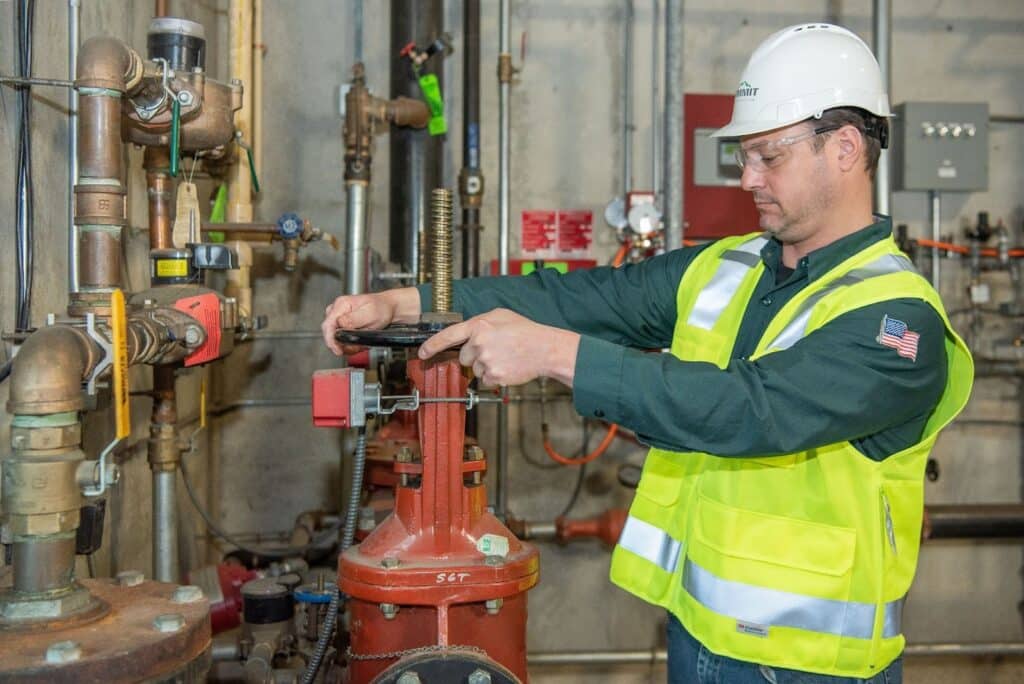
The NFPA 101: Life Safety Code provides guidance for ensuring buildings are designed, maintained, and operated in ways that protect occupants from fire and related hazards. For commercial buildings, it outlines specific inspections and maintenance for key systems and structural features. How the NFPA 101 guidelines are adopted differs between localities, but the following is a general overview of what needs to be inspected.
Means of Egress
NFPA 101 requires that means of egress remain clear of obstructions, properly marked, and in good working order. “Means of egress” is just a fancy way of saying “ways to get out.” It covers all routes occupants would use to leave a building in an emergency, such as:
- Exit doors
- Corridors
- Ramps
- Stairs
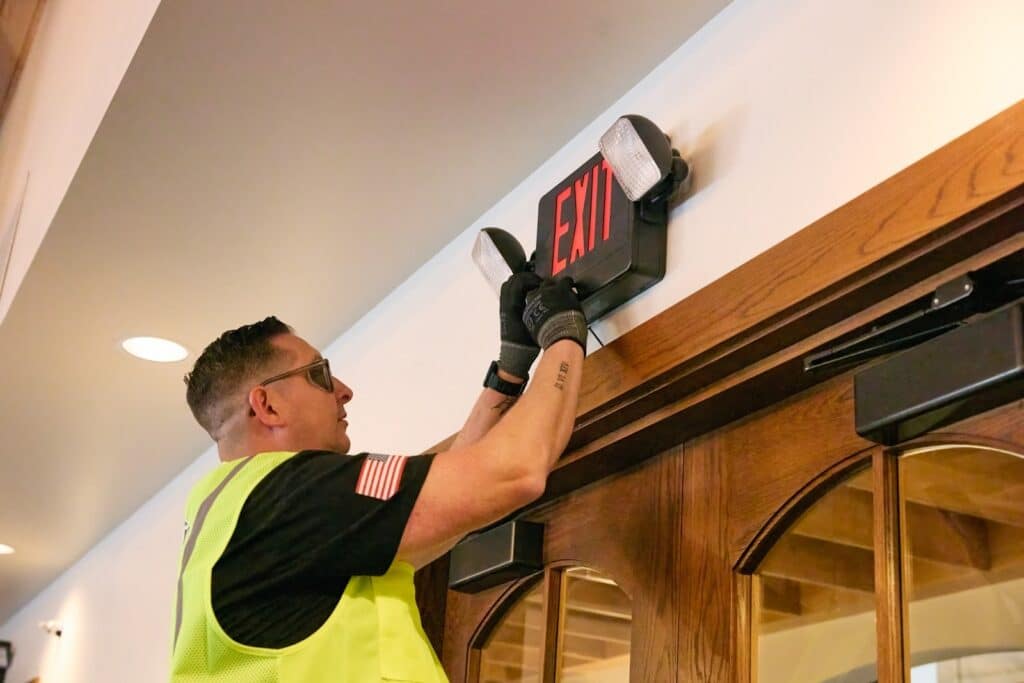
Emergency lighting and exit signage must also be regularly tested to ensure visibility during a power outage or smoky conditions.
Fire Protection Systems
NFPA 101 requires that fire protection systems be inspected, tested, and maintained to remain fully operational.
Fire protection systems include:
- Fire alarms
- Fire Suppression Systems (CO2, Foam, or Clean Agent)
- Sprinkler Systems (Wet, Dry, Pre-Action types)
- Fire Protection Water Supply (Fire Pumps, Standpipes, Hydrants, and Hoses)
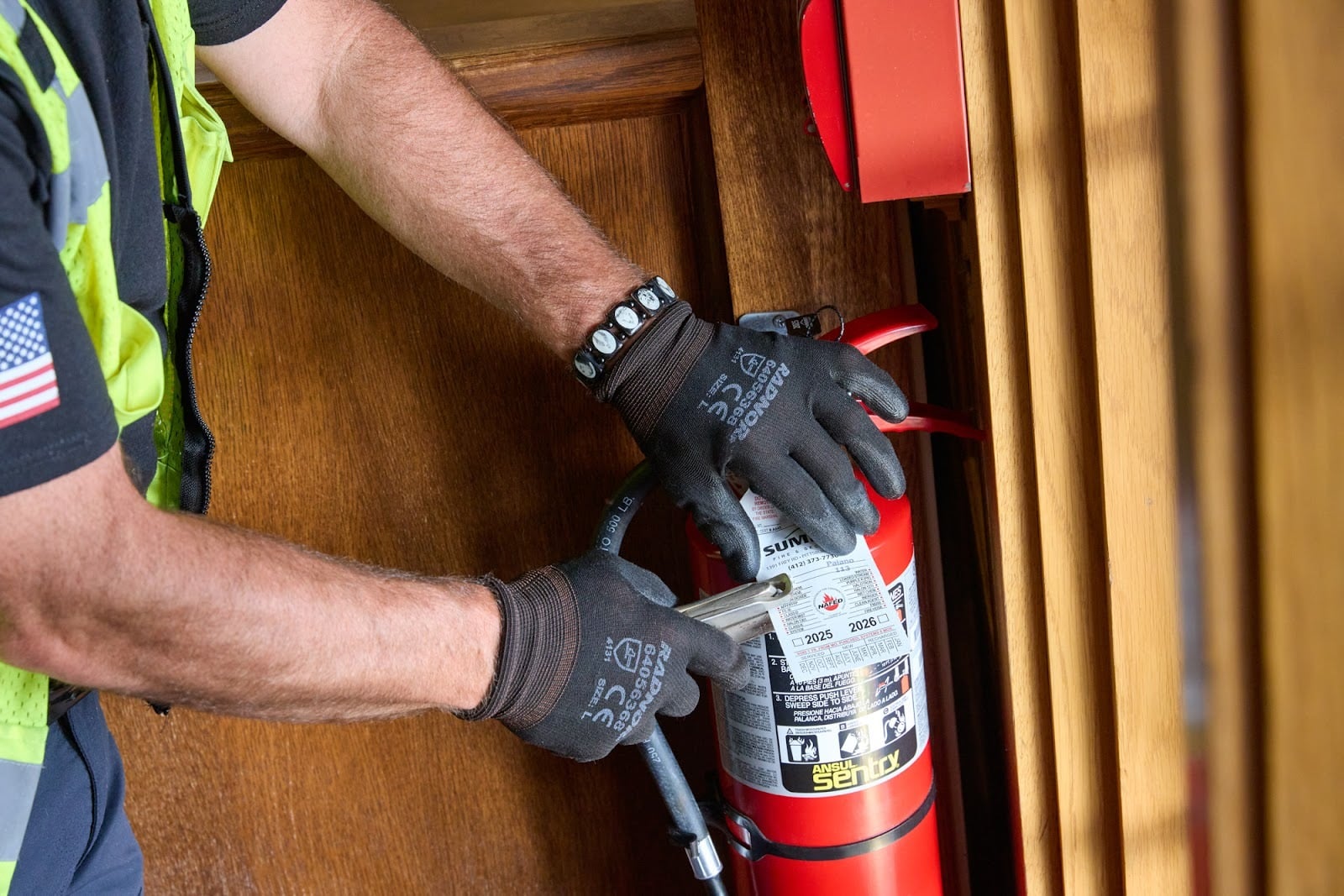
- Portable extinguishers
- Pre-Engineered Systems for Kitchen Hoods in a restaurant
- Passive Fire Protection (Fire Doors and Walls)
- Emergency Systems (Emergency Lighting, Exit Signs, and Generators)
Regular checks ensure that alarms can alert occupants quickly, sprinklers can suppress fires, and extinguishers are available and functional.
Emergency and Backup Systems
Emergency power and backup systems—including emergency lighting for means of egress—are critical to maintaining life-safety functions during a fire. Generators, transfer switches, and emergency communications systems should be tested regularly to ensure they work during a power outage, allowing alarms and lighting to operate as intended.
Smoke Control and Detection
Smoke control systems are designed to detect smoke and prevent its spread, while also helping guide occupants safely out of the building during a fire emergency. NFPA 101 requires that smoke dampers and fire dampers be periodically inspected and tested as part of the overall smoke control system. These systems often operate in conjunction with the fire alarm system and its smoke detectors. When smoke is detected, the fire alarm system alerts occupants so they can evacuate the building safely, while the Smoke Control system performs its function.
Structural Fire Protection
Structural fire protection includes fire-rated:
- Walls
- Doors
- Partitions
- Roofs
- Ceiling Assemblies
These features help prevent a fire from spreading once it starts, and are designed to give occupants time to get out of the building.
NFPA 101 inspections verify that these barriers are intact, free of unauthorized penetrations (in other words, they don’t have any holes where they shouldn’t), and able to maintain compartmentalization during a fire.
Hazardous Areas
Certain areas, like flammable storage rooms or spaces with high-hazard operations, require additional precautions. NFPA 101 inspections ensure materials are stored safely, with proper separation and protection, reducing the likelihood of fire spreading. Walls and doors are required to have a specific fire rating (2 or 3 hour ratings are examples) based on the type of hazard and the number of occupants within that specific space.
Documentation
In order to prove that inspections have been done—-and that your building is up to code–all inspections, tests, and maintenance must be documented. Maintaining records ensures compliance, supports audits, and provides a reference for planning and drills. NFPA 101 emphasizes documentation for accountability and ongoing safety improvements.
How inspections inform emergency planning and fire drills
Inspections are important for ensuring that your fire and life safety infrastructure is functioning as it should, but they’re only part of the puzzle. The other part is ensuring that the people who use the building know what they should do in an emergency. That’s where critical emergency planning and fire drills come in.
Fire drills simulate actual emergencies, testing how occupants respond to alarms, navigate exit routes, and gather at assembly points. They also allow organizations to evaluate procedures, identify issues, and adjust plans. Staff training complements inspections, ensuring personnel know how to respond to alarms, use extinguishers, and follow emergency communications. Even a simple drill provides insights into whether systems and people can perform as expected during a real event.
Inspections identify physical deficiencies that must be corrected, while drills test how people respond under stress. Together, they address both the condition of the building and the behavior of its occupants.
How does your organization stack up?
Instructions: Answer each question honestly to identify potential gaps in fire preparedness.
- Are all exit routes, doors, stairs, and corridors unobstructed and clearly marked?
- Are exit signs and emergency lighting functional and tested regularly?
- Are fire alarms, smoke detectors, and notification devices tested and operational?
- Are sprinklers, standpipes, and fire extinguishers inspected and maintained per NFPA standards as well as your local jurisdiction?
- Are fire extinguishers accessible and properly tagged with inspection dates?
- Does your organization have a written emergency action or evacuation plan?
- Are staff trained on evacuation procedures and basic fire safety?
- Has a fire drill or evacuation test been conducted in the past 12 months?
- Are fire-rated walls, doors, and partitions intact with no unauthorized penetrations or damage?
Are flammable or combustible materials stored safely, with proper separation and fire protection?
Conclusion
Regular inspections are not just about compliance—they are the foundation of fire readiness. They ensure that systems, structures, and procedures are functional and that occupants can safely evacuate in an emergency.
If you answered “no” to any of the self-assessment questions, it’s a signal that your organization may not be fully prepared for a fire. Addressing these gaps proactively can protect employees, visitors, and property.
Summit Fire Security is a subsidiary of Summit Companies, the nation’s most-trusted fire and life safety service provider with an expert team of 2700+ technicians in over 100 locations across the country.
Our nationwide teams have the expertise to help your organization assess, maintain, and upgrade fire protection systems, ensuring you are 100% fire ready. From inspections to staff training and emergency planning, professional guidance can turn a checklist into actionable safety.
If you’re looking for a partner to ensure emergency readiness for your organization, find a Summit Fire & Security team near you.