
Fire sprinkler systems are incredibly effective at controlling fires. According to the National Fire Protection Association (NFPA), sprinklers operate effectively in roughly 92–96% of fires where they are present and able to function. In fact, sprinklers often outperform their intended role by containing or even extinguishing a fire before the fire department arrives.
While that success rate is extremely high, it’s not 100%. Sprinkler systems sometimes fail, and when they do, it’s rarely due to a flaw in the technology itself. Failures usually come down to preventable issues like poor maintenance or human error.
Inspections are the best line of defense against these failures. Many of the issues that compromise sprinkler performance aren’t visible to the naked eye, making professional inspections critical. In this post, we’ll cover some of the most common ways sprinkler systems fail—and how inspections help catch these issues before they become serious problems.
Human error
Corrosion, damaged sprinkler heads, and clogged pipes can all cause systems to underperform or fail entirely, and we’ll be covering those later in this post. But before getting into those, it’s important to highlight that the most common cause of sprinkler failure is human error.
According to NFPA data, 61% of sprinkler failures occur because the system was manually shut off. It’s a surprisingly common issue—and one that completely disables the system’s ability to respond to a fire. It’s kind of like riding in a car without bothering to buckle your seat belt.
How inspections can help
This is actually one of the most straightforward things an inspector checks: is the system on? Is there an active water supply? A visual inspection of the water supply valve will immediately reveal whether the system has been shut off.
It sounds almost too simple, but given that a turned-off system accounts for the majority of sprinkler failures, it’s one of the highest-value checks an inspection provides. Regular inspections create accountability and ensure that if a system was taken offline for any reason, it gets restored to service.
External damage to heads or valves
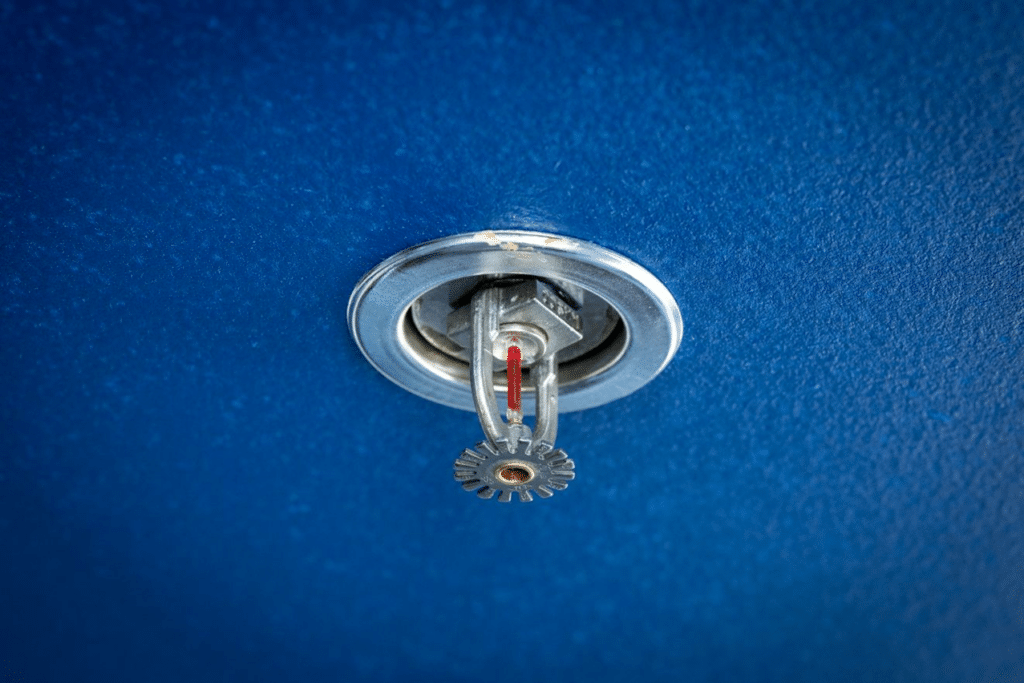
Sprinkler heads are built to be durable, but they’re not indestructible. They can be knocked, dented, painted over, or otherwise damaged — often during routine building maintenance, warehouse operations, or renovation work. A sprinkler head that has been bumped by a forklift, coated with paint, or accidentally bent may not activate properly when it needs to, or it may activate prematurely, causing water damage without an actual fire present.
Valves are similarly vulnerable. Improperly closed or partially blocked valves can restrict water flow, reducing the system’s effectiveness even if everything else is working correctly.
How inspections can help
A trained inspector will physically examine sprinkler heads throughout a facility, checking for visible signs of damage, corrosion, paint or coating buildup, and improper clearance from obstructions. They’ll also assess whether heads are the correct type for the environment and whether any have been replaced with mismatched components. Valves are tested and verified to ensure they’re fully open and functioning as designed.
Many of these issues are completely invisible to untrained staff who walk past the same sprinkler head every day without realizing it’s been compromised.
Corrosion, Sludge, and Scale
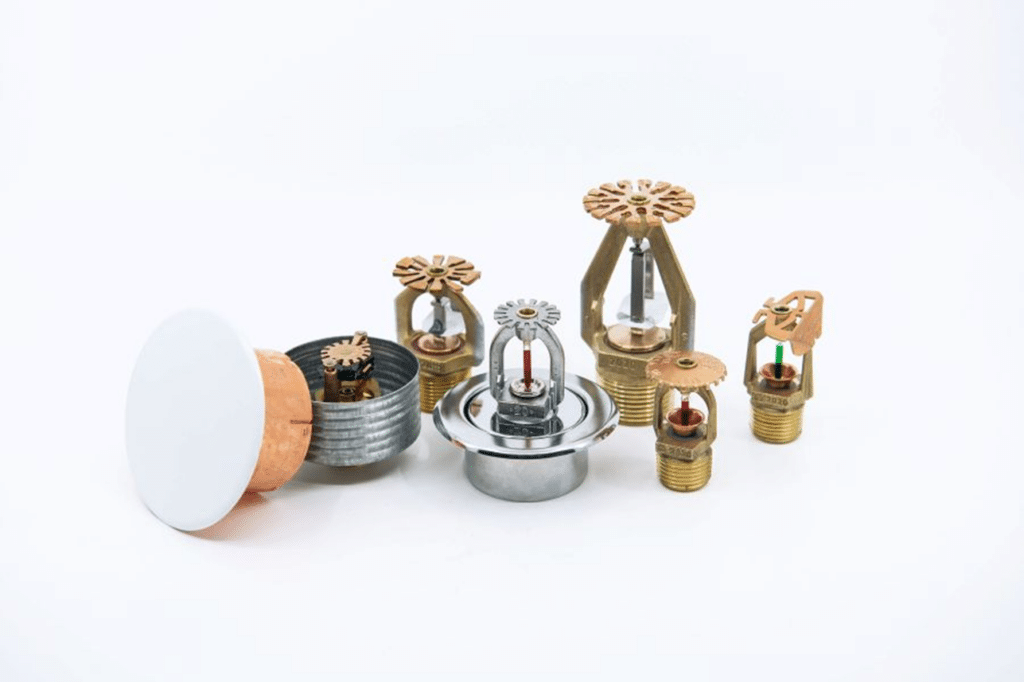
Some of the most serious threats to sprinkler performance occur inside the piping, where they aren’t visible. Over time:
- Corrosion can weaken pipes, leading to leaks or failure
- Rust and debris (sludge and/ or scale) can accumulate
- Blockages can restrict water flow during a fire
Everything may look fine from the outside, but if a fire triggers a sprinkler head, blocks and leaks can rob the system of the water pressure it needs to respond effectively.
How inspections can help
While annual inspections focus on visible components, more detailed evaluations—such as five-year internal inspections—allow technicians to:
- Open sections of pipe
- Check for corrosion and deterioration
- Identify buildup that could obstruct water flow
These inspections are essential for identifying hidden issues before they impact system performance.
Dry system issues
Dry pipe sprinkler systems are found in unheated areas of buildings, like parking garages, loading docks, and warehouses in cold climates, where standing water in the pipes would freeze. Instead of water, the pipes are kept pressurized with air or nitrogen. When a sprinkler head is triggered by heat, the pressure drops, a valve opens, and water floods the pipes and discharges through the activated head.
Because maintaining that air pressure is essential to the system’s function, dry pipe systems are typically equipped with pressure monitoring alarms that alert building staff when pressure drops below a safe threshold. The problem? Those alarms get ignored. Staff silence them, assume someone else will handle it, or treat them as a nuisance rather than a warning. A dry pipe system with insufficient pressure may not deliver water fast enough when a fire occurs — and in a fast-moving fire, those seconds matter.
How inspections can help
Inspections ensure that:
- Air pressure levels are within proper range
- Compressors are functioning correctly
- Alarm systems are active and taken seriously
They also help reinforce proper response protocols so issues are addressed before they escalate into major failures.
Keep Your System Ready When It Matters
Sprinkler systems are among the most effective life safety tools available. When they work, they save lives, protect property, and give building occupants the time they need to get out safely. But that effectiveness is conditional — it depends on the system being properly maintained, fully pressurized, free of obstructions, and, yes, actually turned on.
Routine professional inspections are your first line of defense. They catch the issues you can’t see, confirm the ones you can, and create a documented record of your system’s health so you can stay ahead of problems before they become emergencies.
Ready to schedule your next sprinkler inspection? Summit Fire & Security’s certified technicians perform comprehensive sprinkler inspections in accordance with NFPA 25 standards. Contact us today to protect your building, your assets, and the people inside.