

As the nation’s premier fire-prevention organization, the National Fire Protection Association (NFPA) develops codes and standards that guide policy across the country. While these codes aren’t law, they’re often referenced in the International Fire Code (IFC) or adopted directly by local and state authorities. So even though the latest updates might take a few years to find their way into local ordinances, it’s always a good idea to stay on top of the most recent developments.
With that in mind, we’re here to give you an update on NFPA’s latest code changes and highlight code updates from previous years that may be enforced state-wide or locally this year.
Automation comes to portable fire extinguisher inspection
One of the most talked-about changes rolling forward into 2026 stems from the 2026 edition of NFPA 10 — Standard for Portable Fire Extinguishers. This revision represents a significant modernization of how extinguisher inspections can be conducted.
Historically, regular physical inspections — including “hefting” the extinguisher to check weight — were required on a 30-day cycle. The 2026 edition revises this to recognize technological solutions as an alternative to manual inspections.
- What: Rather than only checking extinguishers by hand, facilities can now use approved electronic monitoring and inspection technologies.
- Why it matters: For facilities with many extinguishers — from large industrial campuses to educational and municipal buildings — automated systems can reduce labor, improve accuracy, and provide continuous documentation of compliance.
This is an exciting update because it means many large organizations will soon have the opportunity to save time and money on inspections while ensuring fire extinguishers are continuously monitored, rather than simply inspected monthly. Just don’t forget: manual inspections will continue to be required until your state or local government decides to adopt the latest NFPA 10 standard.
Other notable updates in 2026 Standards
While fire protection systems often get the spotlight, major code changes are also happening on the electrical side of life safety. With the rise of electric vehicles and local energy storage (i.e. batteries), these codes are a way to ensure that our buildings stay safe.

Two of the most significant updates in this area involve NFPA 70 (the National Electrical Code) and NFPA 855 (Standard for the Installation of Stationary Energy Storage Systems), which address evolving electrical infrastructure and battery storage safety. While there’s far too much to cover in one article, here are some of the highlights:
- NFPA 70
The 2026 edition of the National Electrical Code introduces major structural and technical revisions aiming to improve safety, clarity, and accommodate modern electrical systems including high‑voltage and EV infrastructure. - NFPA 855
The 2026 edition of Standard for the Installation of Stationary Energy Storage Systems expands safety requirements for energy storage systems by covering more battery technologies, requiring formal hazard analyses, strengthening emergency preparedness measures, and aligning fire testing with UL 9540A to address risks seen in real-world incidents.
What’s being enforced in 2026
Staying current with NFPA codes is important, but it’s equally important to remember that NFPA standards don’t become law until they’re adopted by a local jurisdiction. Adoption timelines vary widely: some states or municipalities update on a regular cycle, while others may lag years behind the newest editions. On top of that, some localities adopt codes that go above and beyond NFPA guidelines to meet local needs.
One code increasingly being adopted and enforced throughout the country is NFPA 72 (National Fire Alarm and Signaling Code). Although the 2025 edition was published in 2024, many jurisdictions are incorporating it into their fire codes now, meaning several important updates will start showing up in inspections and plan reviews in 2026.
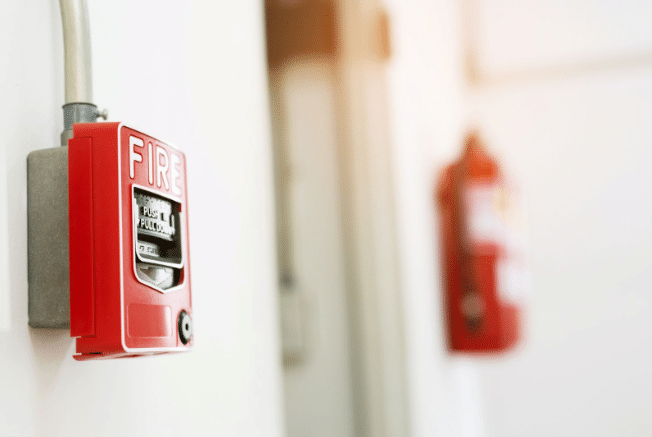
Changes to NFPA 72 being adopted:
- New cybersecurity requirements: Chapter 11 now includes enforceable provisions for network-connected fire alarm and signaling systems, including formal security procedures to protect safety systems from digital threats.
- Stronger system coordination rules: New requirements improve coordination between fire alarm systems and other building systems, including elevators and emergency communications.
- Higher standards for technician qualifications and documentation: Clearer expectations for certifications, recordkeeping, and ongoing compliance tracking.
Once a jurisdiction adopts NFPA 72, these provisions move from best practice to enforceable requirement, influencing how systems are designed, installed, inspected, and maintained.
Expert support for safer, compliant facilities
In 2026, NFPA continues to modernize fire and life safety codes to reflect technology advancements, emerging hazards, and lessons from real incidents. From automation in extinguisher inspection to stronger electrical and energy storage safety standards, these updates lay the groundwork for safer buildings and systems.
Staying informed about NFPA code changes and understanding how they may be adopted locally helps building owners, facilities managers, and safety professionals remain compliant and prepared. But because adoption timelines differ across jurisdictions, expert guidance is essential.
That’s where Summit Fire & Security comes in. With deep local expertise and extensive experience navigating the ever-changing regulatory landscape, Summit can help you interpret code impacts, plan for compliance, and implement solutions that keep people and property safe.
Contact Summit Fire & Security today to ensure your facility is ready for the codes in force now — and the ones just over the horizon.